

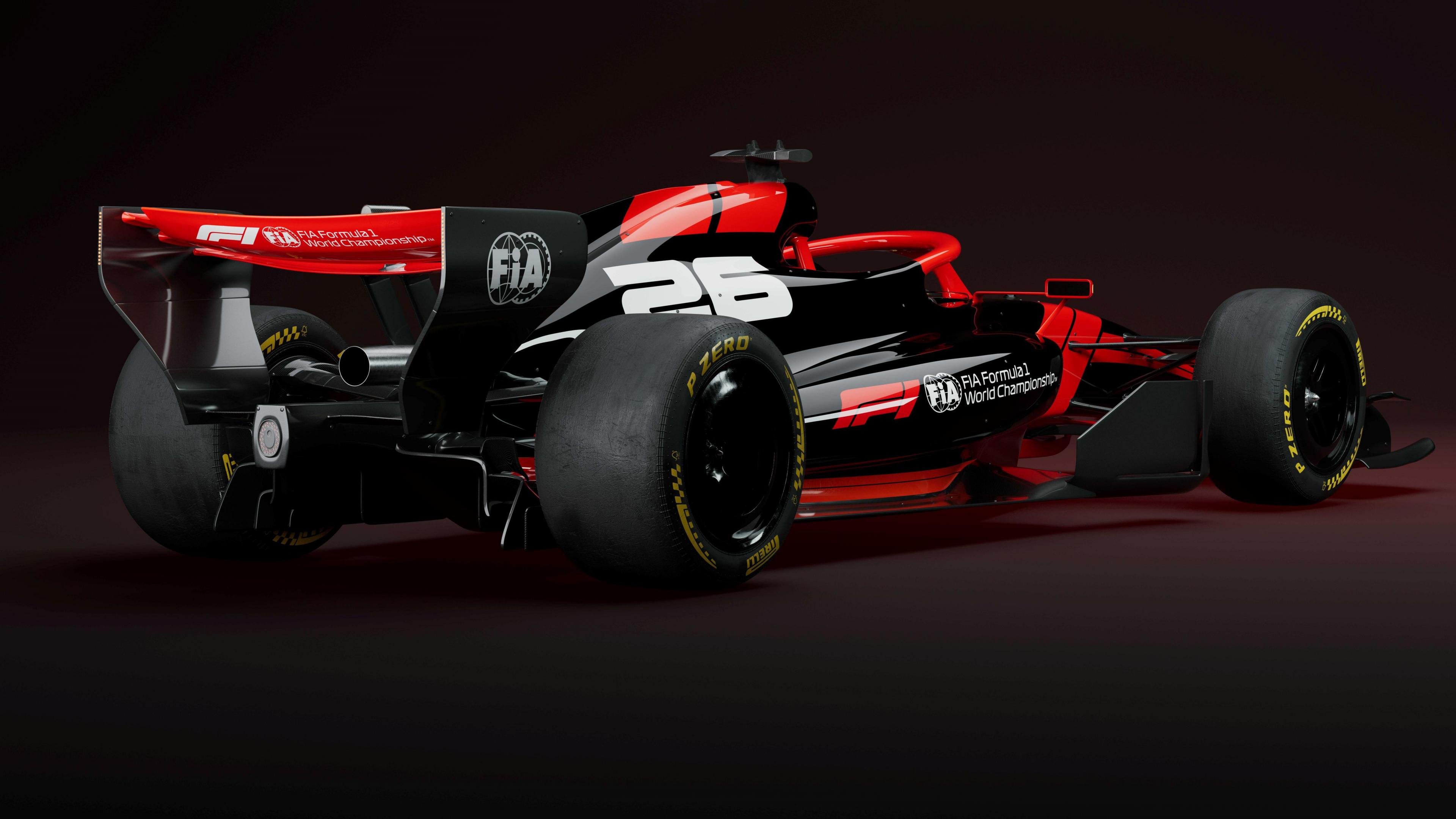
The 2026 Formula 1 cars are expected to be more compact, agile and eco-conscious than this year.
F1 has introduced the simplified terminology that will be used to describe the intricate details of its new 2026 technical rules.
The racing series is embarking on what is potentially the most significant technical shift in its illustrious history for the 2026 campaign, featuring revised car and engine specifications and the mandatory use of eco-friendly fuels.
The new power units, which maintain the 1.6-litre V6 turbo hybrid, boast a significantly increased battery power, necessitating major innovations in the cars' aerodynamics.
Over a race distance, pilots will tactically deploy electrical energy – potentially on qualifying laps – to achieve the peak lap time.
Broad surveys were undertaken with a mix of viewers, including long-time followers and newcomers, to understand which phrases would aid comprehension of the main elements of the new regulations.
The primary aim was to present a range of advanced technical aspects of the sport as accessible as possible for the widest audience.
Consequently, older technical labels for some systems – such as "modes labelled X and Z" for the adjustable aero – have been abandoned in favour of straightforward terms that directly explain the real-world effect of the system.
Key Technical Innovations
Regulators explain that drivers will have increased agency to make decisions regarding battery management, energy recovery, and conservation.
The 2026 rules mandate a set of functions that will be clearly indicated on television graphics to enhance the fans' insight of the strategic duel.
- Attack Mode: This replaces the current DRS. It provides a short boost of battery power accessible when a competitor is close behind the car ahead to assist with an overtaking maneuver.
- Extra Push Mode: This is a driver-operated power boost from the energy recovery system that can be used in offensive or defensive moves. It delivers the driver full engine and battery energy at the push of a button.
Both of these crucial modes will have to be used with calculation, as the total energy is strictly limited.
- Active Aero: Both the nose and rear wings change configuration – flattening on the high-speed sections for reduced drag and increased velocity, and angling down in the bends for peak grip.
- Recharge: Drivers can recharge the energy store with power recovered from braking, or during throttle lift at the end of straights or in certain corners where only reduced throttle is used.
What's Changing on the Cars?
The vehicles for the new era will be reduced in size and weight compared to the 2025 spec, with a car length shortened by 200mm to 3,400mm, width reduced by 100mm – down to 1,900mm – and the lowest permissible weight reduced by 30kg.
Overall downforce is expected to drop by approximately fifteen to thirty percent, although squads will naturally regain performance as they refine their designs.
Drag has been reduced by 40%. The cars will employ moveable wing elements – front and rear wings will adjust on the straights to cut resistance and boost top speed and click back into place for optimal grip in corners.
Wheels will continue to use 18-inch wheel rims, but the actual tyres will be narrower, by a quarter-centimetre on the front and three centimetres on the rear.
Power Unit Revolution
The revised hybrid units will have an near-equal balance in horsepower generated by the petrol engine and the electrical system, increasing from about one-fifth electric power under present rules.
The hybrid system is simplified through the elimination of the complex turbo energy recovery device, the sophisticated and pricey unit that harvested power from the exhaust turbo.
Cars will be required to run on 100% sustainable fuel, created from biomass or synthetic industrial processes.


